
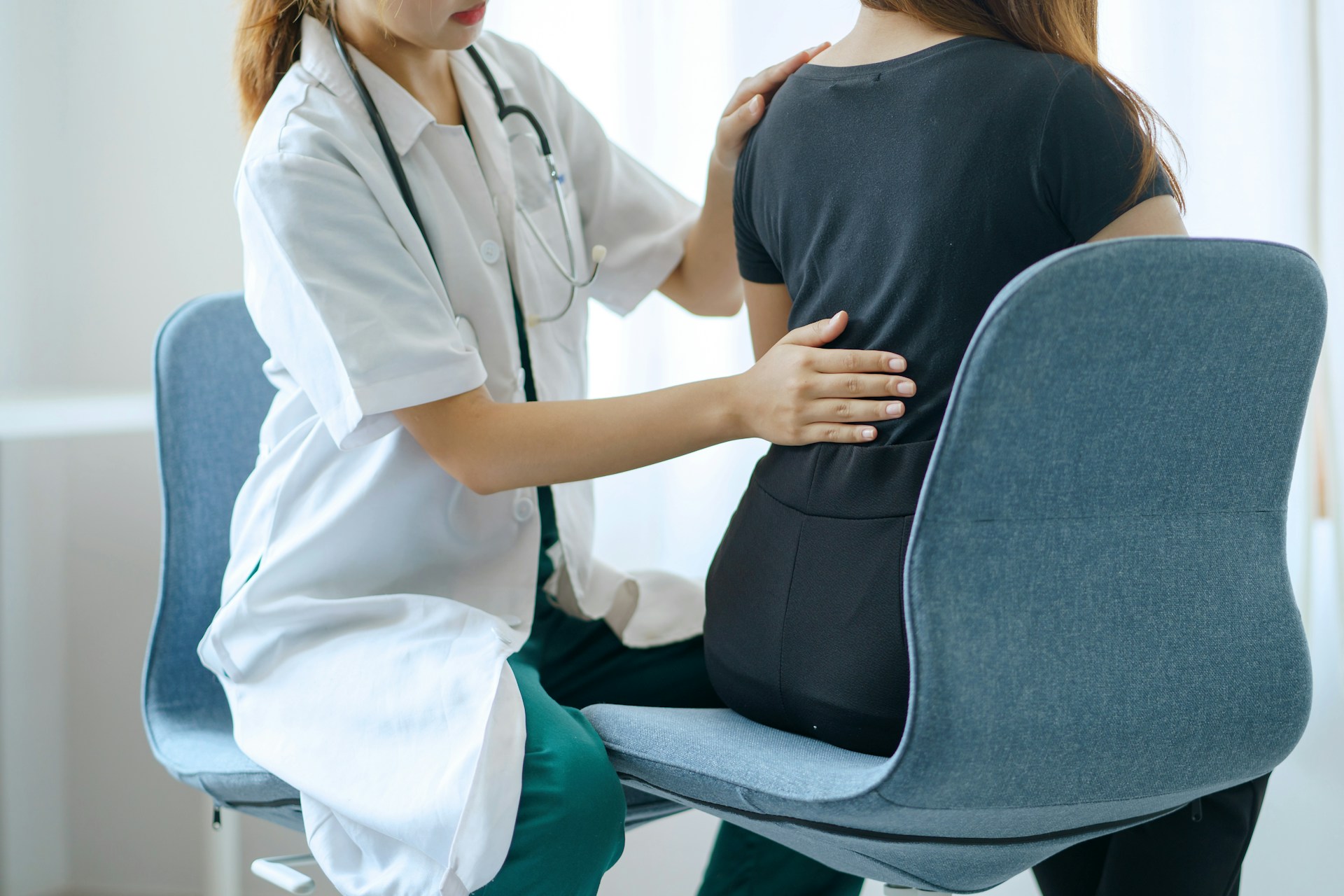
Regain Your Active Life After a Herniated Disc
A herniated disc can take you out of your normal life in a single moment. One quick twist, lifting a cooler, a long day at your desk, or a hard paddle out in the surf, and suddenly even walking to the car hurts. For active people in Carlsbad who love the beach, hiking trails, or playing with their kids, that kind of pain feels scary and frustrating.
The good news is that many people are able to get back to walking, workouts, and recreational sports with a smart, step-by-step plan and without surgery. The key is giving your body time, respecting the healing process, and building back the right way. We want to walk you through a simple, week-by-week roadmap that mixes home care, smart activity changes, and non-surgical options that are available right here in the Carlsbad and San Diego area.
Summer and fall bring long days, family trips, and more chances to be outside. This is actually a great time to follow a clear plan that supports long-term herniated disc pain relief in Carlsbad, instead of just hoping things get better on their own.
Understand Your Herniated Disc and Healing Timeline
Your spine is made of bones called vertebrae with discs between them. Each disc has a soft center wrapped in a tougher outer layer. When a disc herniates, some of the soft center pushes out and can press on nearby nerves. That pressure, plus inflammation, can cause sharp pain, tingling, numbness, or weakness into your hip, leg, or foot.
Common causes include:
- Repetitive bending or lifting
- Long hours sitting with poor posture
- Sudden heavy lifts with bad form
- Old injuries that never fully healed
Trying to “push through” strong back or leg pain can make things worse. The disc and nerves are irritated, and they need the right balance of rest and gentle movement, not force.
Healing usually happens in phases:
- Acute phase, lots of pain and guarding
- Subacute phase, pain starts to calm
- Rebuilding phase, strength and control improve
- Return to sport phase, higher level activity comes back
This process often takes weeks to months, and it moves at a different speed for each person. Age, fitness level, work demands, and how big the herniation is all play a part.
Know the red flags that need urgent care:
- Loss of bladder or bowel control
- Fast, worsening leg weakness
- Numbness in the groin or “saddle” area
These are different from more common symptoms like back stiffness, leg tingling, or muscle spasms, which are often managed with conservative care. In our clinic, we use non-surgical spinal decompression to gently take pressure off irritated nerves and robotic laser therapy to help calm inflammation and support the healing process through each phase.
Weeks 1, 3: Calm the Flare and Protect Your Spine
During the first few weeks, the main goals are simple: calm things down, protect the injured disc, and keep gentle movement going. Total bed rest usually makes stiffness and weakness worse. Very short, light activity often works better.
Helpful focus points include:
- Short, frequent walks on flat surfaces, even a few minutes at a time
- Sitting with your spine in a neutral position, hips slightly above knees
- Sleeping on your back with a pillow under your knees or on your side with a pillow between your knees
- Avoiding deep bending, twisting, and heavy lifting
Ice or heat can both be useful. Many people like ice in the first days when things feel hot and sharp, then light heat later when muscles feel tight. Let your body’s response guide you.
Try “movement snacks” 3 to 5 times a day for 5 to 10 minutes:
- Gentle pelvic tilts while lying on your back
- Supported bridges, lifting your hips only partway
- Easy nerve glides guided by a professional
These should be pain-free or only mildly uncomfortable. Stop if you feel sharp pain or symptoms shooting further down the leg.
In this early phase, spinal decompression can help reduce pressure on the irritated nerve roots, and robotic laser therapy can support tissue healing and pain control. Many people find that pairing these tools with gentle activity makes the first few weeks more manageable.
Weeks 4, 8: Build Core Strength and Everyday Confidence
As pain starts to ease, the focus shifts to building endurance and confidence in daily life. We want your core to support your spine when you drive, work, cook, and do light chores.
Good progressions for this stage:
- Longer walks at a relaxed pace
- Gentle stationary cycling with comfortable resistance
- Core stability work like modified front planks, bird dogs, and side-lying leg raises
All of these should be done with a neutral spine and calm, steady breathing. You are teaching your body how to move well again, not chasing a workout record.
Pay close attention to your body:
- Normal signs: muscles feel tired, mild soreness that fades within a few hours
- Warning signs: pain spreads further down your leg, numbness increases, or pain is worse the next day
If you notice the warning signs, the plan may be a bit too aggressive and needs to be adjusted. During this phase, guided chiropractic care and rehab can help correct stiffness, address imbalances, and fine-tune exercises so you build strength without stressing the disc.
Weeks 9, 16: Return to Sports, Travel, and Active Hobbies
By this point, many people are ready to think about returning to the fun stuff, like surfing, golf, pickleball, hiking, or longer trips. The goal is to ramp back up without waking up the old injury.
We like to use graded exposure:
- Start with low-impact cardio like walking, cycling, or pool work
- Add light resistance training for hips, legs, and core
- Layer in sport drills, such as putting and chipping before full golf swings, or paddling and practicing pop-ups before long surf sessions
Core and hip strength now need to show up in real life. That means:
- Using a hip hinge and bracing when lifting luggage or groceries
- Carrying beach gear close to your body instead of out to the side
- Shifting weight and changing positions when you stand in lines
Regular check-ins with your provider during this stage help track spinal mobility, nerve tension, and muscle balance. Spinal decompression and laser sessions may be spaced out more, but they can still play a role as activity increases.
Smart Flare-up Prevention Strategies for Every Season
Once you are feeling better, the goal is to stay that way through busy seasons like summer travel, back-to-school time, and the holidays. Small daily habits make a big difference.
Year-round strategies:
- Take micro-breaks from sitting every 30 to 60 minutes
- Change positions often if you work from home
- Get regular low-impact cardio, such as walking along the Carlsbad coastline or in your neighborhood
Watch for common triggers:
- Travel days: think about suitcase weight, airport waits, and car seat setup
- Back-to-school or office shifts: adjust backpacks and workstation height
- Holiday tasks: use good lifting form with decorations, boxes, and packages
Create a simple “back care checklist” for your week:
- Two or three short strength and mobility sessions
- A sleep routine that helps your body recover
- Basic stress management habits, like breathing drills or light stretching
- Attention to early warning signs, such as tight hamstrings, morning stiffness, or that old familiar twinge
At Advanced Chiropractic and Wellness Center, we see ourselves as partners in long-term spine health. Tune-up visits, posture and movement coaching, and personalized maintenance plans can help you keep your back strong so you can enjoy active Carlsbad living with more confidence and less fear of the next flare.
Start Relieving Your Herniated Disc Pain Today
If you are ready to move beyond temporary fixes, schedule a visit with Advanced Chiropractic and Wellness Center so we can create a personalized plan for lasting results. Learn how our focused approach to herniated disc pain relief in Carlsbad can help you return to the activities you enjoy with more comfort and confidence. To book an appointment or ask questions about your specific symptoms, simply contact us and we will help you take the next step.