
Almost everyone experiences back pain at some point in life. For many people, it starts as a small annoyance that shows up after a long day. Maybe you feel stiff after sitting at your desk too long, or your lower back aches after a workout. Most people assume it’s just a tight muscle or temporary strain that will disappear with rest.
At first, it usually does. You stretch a little, take a break from activity, and within a few days things seem better. However, for many individuals the discomfort quietly returns. Then it starts happening more often. Eventually, it becomes something you deal with almost every day.
You might notice the pain when you wake up in the morning, when you sit in the car for a while, or when you bend down to pick something up. Some days it feels manageable, while other days it feels like your back simply refuses to cooperate.
Many people assume these symptoms are simply part of getting older or working too hard. However, one of the most common chronic back pain causes we see is not actually muscle-related at all. Instead, it often involves the discs within the spine slowly breaking down or becoming compressed.
When the spinal discs begin to degenerate, they can place pressure on surrounding nerves and joints. This type of problem can create persistent discomfort that doesn’t fully resolve on its own.
At Advanced Chiropractic and Wellness Center, in San Diego, CA, we frequently meet patients who have been living with back pain for months or even years before discovering that disc pressure may be the real reason behind their symptoms.
Understanding how these disc issues develop can help people recognize when it’s time to seek care.
Understanding the Discs That Support Your Spine
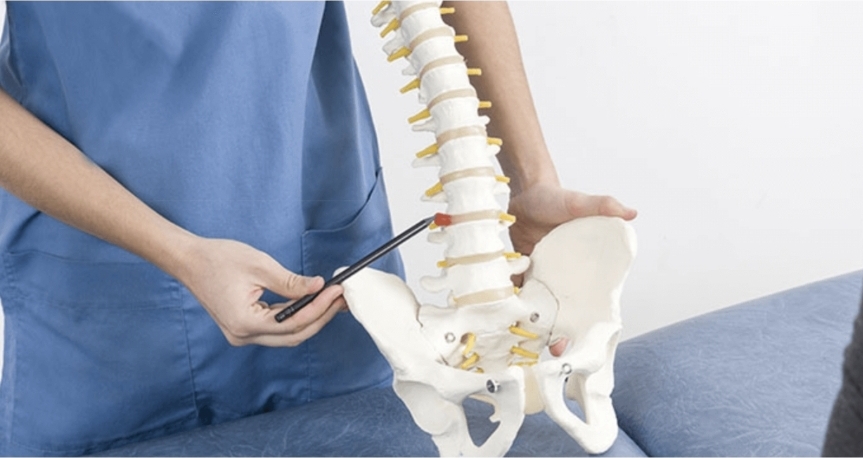
Your spine is made up of a series of bones called vertebrae. Between each of these bones sits a small cushion known as an intervertebral disc.
These discs are incredibly important for maintaining spinal health. They serve as shock absorbers that help distribute pressure evenly throughout the spine. Every time you walk, twist, bend, or lift something, your discs help protect the vertebrae from absorbing the full impact.
Each disc contains two main components. The outer layer is made of tough fibrous tissue that provides structure and stability. Inside that layer is a softer gel-like center that absorbs pressure and keeps the disc flexible.
When these discs are healthy, they allow the spine to move smoothly and comfortably. However, over time they can begin to lose hydration and elasticity. When that happens, the disc may begin to flatten, bulge, or weaken.
This process is often referred to as disc degeneration, and it is one of the leading causes of chronic back discomfort.
Why Disc Problems Often Go Unnoticed
One reason disc problems are so common is because they tend to develop slowly. Unlike sudden injuries that cause immediate pain, disc degeneration usually progresses over months or years.
At first, the symptoms may be mild. You might notice occasional stiffness or soreness after certain activities. Because the pain comes and goes, many people assume it is simply muscle fatigue.
However, as the disc continues to deteriorate, the symptoms often become more frequent. The spine may begin losing stability, and nearby nerves can become irritated.
This is when people start experiencing more persistent back pain that interferes with everyday life.
Recognizing the degenerative disc symptoms associated with these changes can help prevent the condition from progressing further.
The Early Signs of Disc Pressure in the Spine
One of the earliest warning signs of disc-related back pain is discomfort that appears during certain activities and gradually becomes more frequent.
For example, sitting for extended periods may cause the lower back to feel tight or sore. This happens because sitting places increased pressure on the spinal discs.
Standing up and moving around may temporarily relieve the discomfort, but the pain often returns after sitting again.
Another common sign is stiffness in the lower back, particularly after waking up in the morning. Many patients describe needing a few minutes to stretch or move before their back begins to loosen up.
This stiffness occurs because spinal discs naturally absorb fluid while you sleep. When discs are already damaged or compressed, this increased pressure can make symptoms more noticeable in the morning.
Over time, these symptoms can gradually become more persistent.
Pain That Spreads Beyond the Lower Back
Disc problems often affect more than just the area where the injury occurs.
Because spinal nerves travel from the spine into the rest of the body, pressure on these nerves can create symptoms in other areas. Some patients notice discomfort spreading into the hips or buttocks. Others experience sensations that travel down the leg.
This type of radiating pain can feel sharp, burning, or electric. In many cases, it indicates that a nerve is being compressed within the spine.
When these symptoms occur, it becomes even more important to identify the underlying cause.
Why Ignoring Chronic Back Pain Can Make Things Worse
One of the biggest misconceptions about back pain is that it will eventually resolve on its own.
While minor muscle strains may heal with rest, disc problems typically do not improve without addressing the underlying pressure within the spine.
As discs continue losing height and hydration, they may place increasing stress on surrounding joints and nerves. Over time, this can lead to chronic inflammation and reduced mobility.
Many patients begin adjusting their movements to avoid pain, which can create additional strain on other areas of the body.
This cycle can make the condition progressively worse if left untreated.
How Spinal Decompression Therapy Helps Restore the Spine
One of the most effective non-surgical treatments for disc-related back pain is spinal decompression therapy.
Spinal decompression works by gently stretching the spine in a controlled and precise manner. This process creates space between the vertebrae, allowing compressed discs to begin returning toward their normal position.
As the pressure on the disc decreases, the surrounding nerves may also experience relief.
Another benefit of decompression therapy is improved circulation within the disc. Healthy discs depend on proper fluid movement to receive oxygen and nutrients. When decompression restores this circulation, it supports the body’s natural healing process.
Many patients experience reduced discomfort and improved mobility as the spine gradually regains its proper function.
At Advanced Chiropractic and Wellness Center, spinal decompression therapy is often used to help patients who are experiencing disc-related back pain.
The Importance of Proper Spinal Alignment
In addition to disc pressure, spinal alignment plays a major role in overall back health.
When the spine becomes misaligned, certain areas may experience increased stress. Over time, this uneven pressure can contribute to disc degeneration and nerve irritation.
Chiropractic care focuses on restoring proper alignment within the spine so that weight and movement are distributed evenly.
When the spine is functioning properly, discs and joints are able to move the way they were designed to.
This approach allows the body to heal naturally rather than relying solely on temporary symptom relief.
Why Early Care Makes a Difference
The earlier disc problems are addressed, the easier they are to manage.
When patients seek care soon after symptoms begin, treatment can often relieve pressure on the spine before significant damage occurs.
Waiting too long may allow the condition to progress, making recovery more challenging.
Fortunately, many people find that non-surgical treatments can provide meaningful relief and help restore normal movement.
Helping Patients in San Diego Find Lasting Relief
At Advanced Chiropractic and Wellness Center, our goal is to help patients identify the real source of their pain and develop solutions that address the root cause.
Back pain should not control your daily life. When the spine is properly supported and pressure on the discs is reduced, many people are able to return to the activities they enjoy.
Through a combination of advanced chiropractic care and modern treatment approaches, we help patients restore mobility and reduce the discomfort associated with disc-related back conditions.
Conclusion
Living with persistent back pain can be frustrating and exhausting. It can interfere with work, exercise, sleep, and many of the simple activities that make life enjoyable.
However, understanding the true chronic back pain causes behind your symptoms is an important step toward finding lasting relief.
If you are experiencing degenerative disc symptoms or discomfort that seems to return again and again, it may be time to explore treatment options designed to reduce pressure within the spine.
At Advanced Chiropractic and Wellness Center, we focus on helping patients restore spinal health and regain confidence in their movement.
If you are ready to learn whether spinal decompression San Diego treatment may help relieve your back pain, we invite you to take the next step.
To schedule your consultation, click here to set up a consultation.
Taking action today may help you move more comfortably, stay active longer, and get back to the activities that make life feel normal again.