
Why Your Shoulder Pain Might Actually Be Coming From Your Neck

Learn why shoulder pain may actually come from your neck and how chiropractic care in San Diego can help relieve nerve pressure and restore mobility.
The Everyday Habit That’s Quietly Destroying Your Posture
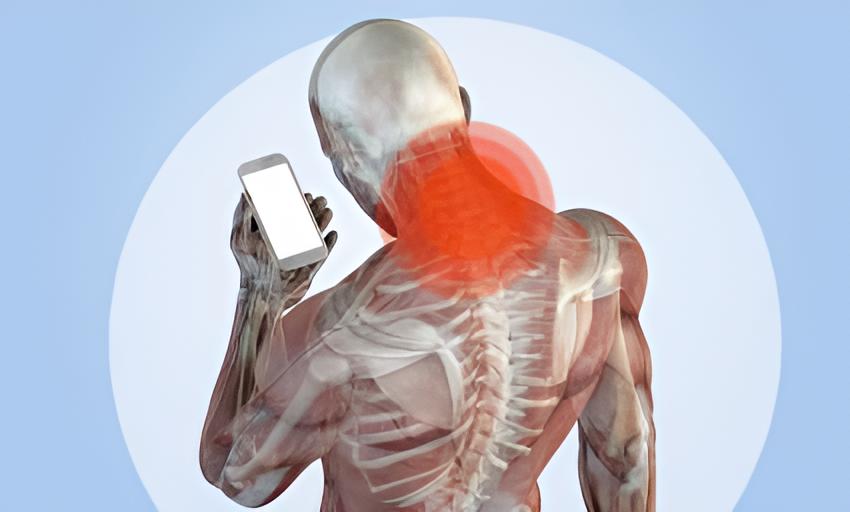
Learn how tech neck develops from daily device use and how chiropractic care in San Diego can help relieve neck pain and restore healthy posture.
Why Pro-Adjuster Chiropractic Care Is Changing the Way People Experience Adjustments
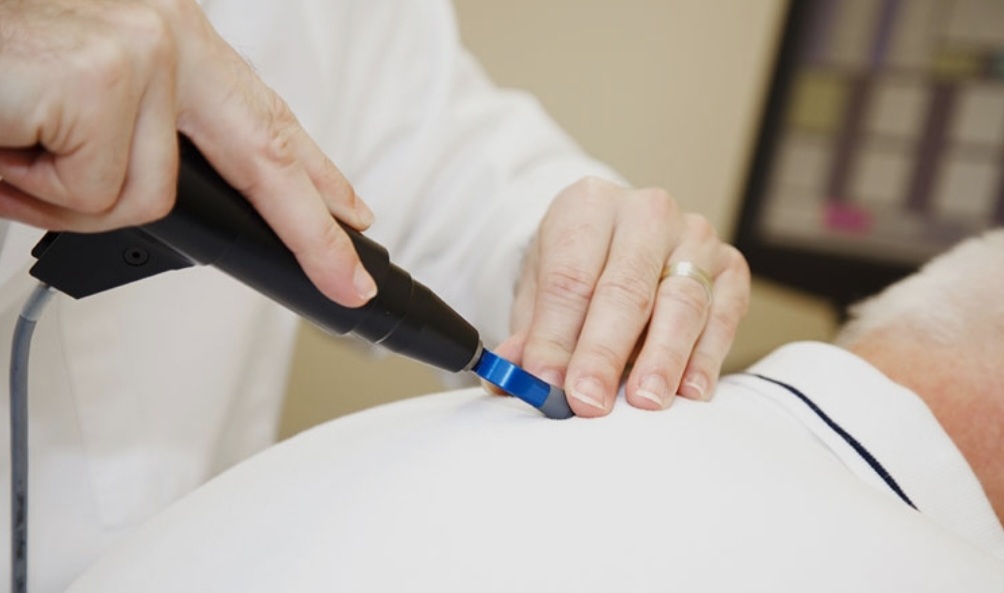
Discover how Pro-Adjuster chiropractic technology in San Diego offers a gentle, precise alternative to traditional chiropractic adjustments.
The Advanced Pain Treatment Most People Have Never Heard Of
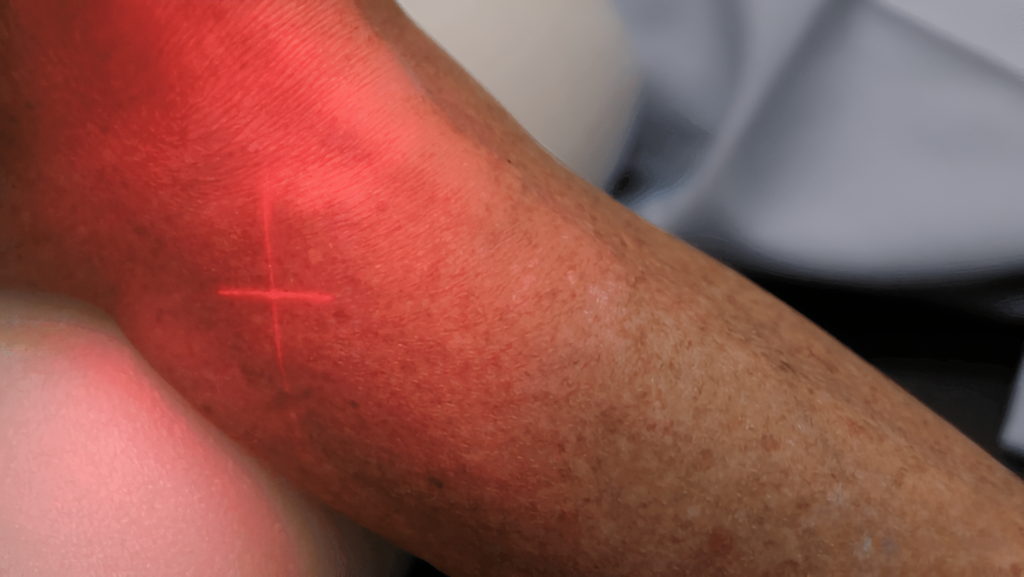
Learn how Class IV laser therapy in San Diego helps reduce inflammation, accelerate healing, and relieve pain without medications or surgery.
The Signs Your Spine May Be Under Disc Pressure
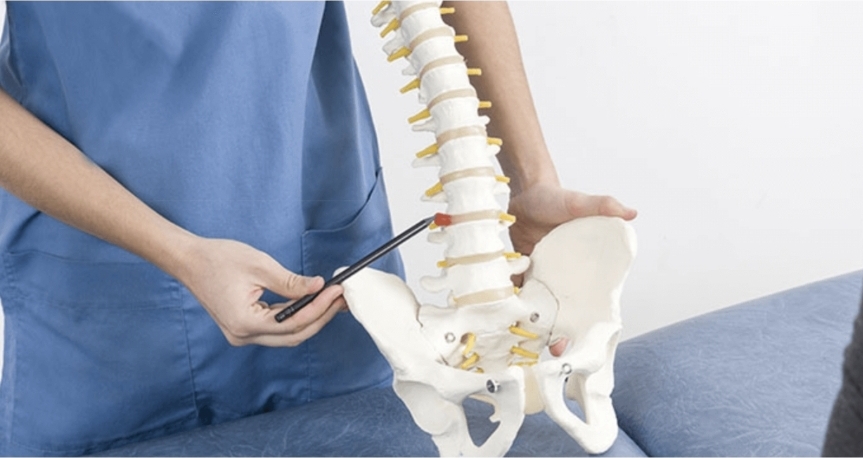
Discover the real causes of chronic back pain, the signs of degenerative disc problems, and how spinal decompression therapy in San Diego may help relieve pressure naturally.
The Hidden Cause of Chronic Neck Pain Most People Don’t Realize They Have

Learn how cervical disc compression can cause chronic neck pain and how spinal decompression therapy in San Diego may help relieve pressure and restore spinal health.
Foraminal Encroachment vs. Foraminal Stenosis

By: Dr. Nicholas LaHood, D.C. Foraminal encroachment is a term used to describe degeneration of the spinal column which has caused an obstruction of the foramina. The foramina are open spaces on either sides of the vertebra where the spinal nerves pass on their way to other parts of the body. Neural foraminal stenosis refers to compression of a spinal nerve as it leaves the spinal canal through the foramen. Both of these conditions can occur when the space between the spinal vertebras becomes reduced due to spinal degeneration. A degenerative joint does not move as well as a non- degenerative healthy joint. This is due to calcium and bone spurs developing around the front and back of the joint which leads to physiological stress and restricted movement or stiffness. If this bone spurring occurs on the back of the joint, it reduces the space causing stenosis and impingement of the spinal cord and spinal nerve root. This is normally an extremely painful debilitating condition. This degenerative condition will lead to changes of the shape of the foramina. The compressed foramina result in shortening of the spinal column, which causes the ligaments to buckle inward and compress the nerve roots more producing symptoms like pain, numbness, tingling and muscle weakness. In most cases foraminal encroachment can be managed by a combination of conservative treatments methods. These methods include rest, exercise, stretching, and chiropractic care. If the condition is advanced and has been developing for many years without treatment it can turn into foraminal stenosis. Spinal decompression therapy combined with deep tissue laser therapy is a gentle conservative treatment that will improve the spacing between the joints and release the nerve impingement. Surgery becomes an option only when all conservative treatments fail to provide relief and the patient is experiencing uncontrollable pain even with high doses of medication and or organ failure is occurring due to nerve damage. If you or someone you know is suffering with neck or back pain. Call Dr. Nicholas LaHood, D.C. 858-987-8282 to schedule a consultation and exam. Specializing in treating Lower Back and Neck Pain www.lahoodchiro.com for more information
The Benefits of Spinal Decompression on a Degenerative Spine

Dr. Nicholas LaHood, D.C. Many people are looking for an alternative to over the counter and prescription medication to alleviate their back and neck pain. The quick relief that can occur by taking medication for neck and back pain is luring and appealing. We know that repeatedly and frequently using medication to cover the symptoms pain can cause the condition to worsen and create other problems. We may feel a quick reduction of pain by taking medications and begin to use a damaged joint more causing more pain and inflammation to occur. We know the basics for good health are to eat right, exercise daily, get sleep and maintain a low stress lifestyle. These basic concepts can help increase longevity and decrease preventable diseases. When dealing with neck and back pain, proper posture and proper biomechanics are essential to overall spinal health. If there is a segment or section of your neck or back that is not moving properly for a period of time this will create stress. The stress will create inflammation and the inflammation will create a release of a number of biochemical cell products to congregate in the area which irritate local tissue. This normally will increase over time and the longer it is left untreated the worse it gets. With spinal decompression therapy it is a comfortable and gentle release and stretch of the problem area in your neck or back. This will reduce stress and improve biomechanics of the section of the spine that it is focused on. The gentle programing of the decompression treatment allows for more new fluid to arrive into the disc and the local tissue to “cleanse” and “replenish” the damaged area. This will in turn help improve function of the damaged joint, improve strength of the disc, and help with the alignment to prevent future problems from developing. If you are someone you know are suffering from chronic neck or back pain call our local office and come in for a complimentary consultation to speak with the doctor. Even if you have spinal stenosis, sciatica, leg pain, neck pain we can help. If you have a herniated disc or degenerative disc we can evaluate your condition to see where you need help and formulate a plan to reach your goals. We will tell you if we think we can help you or if we can not help you we promise not to waste your time. Call 858-987-8282, www.lahoodchiro.com Tags:
Sciatica Treatment
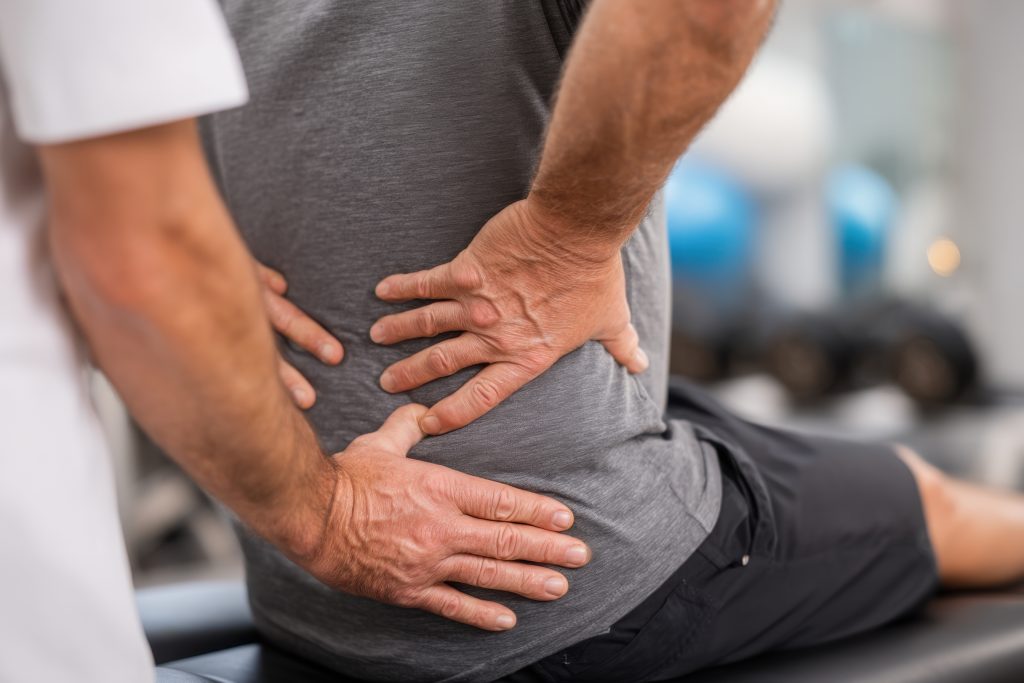
Sciatica Facts: Interaction Between Sciatica and Disc Bulges: Controlling sciatica through non-surgical decompression therapy can be effective in reducing pain and improving function. Here are three tips to enhance the benefits of this treatment: 1. Stay Consistent with Treatment: 2. Incorporate Complementary Therapies: 3. Practice Good Posture and Body Mechanics: Incorporating these tips alongside non-surgical decompression therapy can assist in managing sciatica more effectively and improving overall spinal health. Always consult your healthcare provider for personalized recommendations and to ensure that the therapies align with your specific condition. Advanced Chiropractic and Wellness Center 858-987-8282 San Diego, CA 92129
Understanding Herniated Discs: Causes and Treatment Options
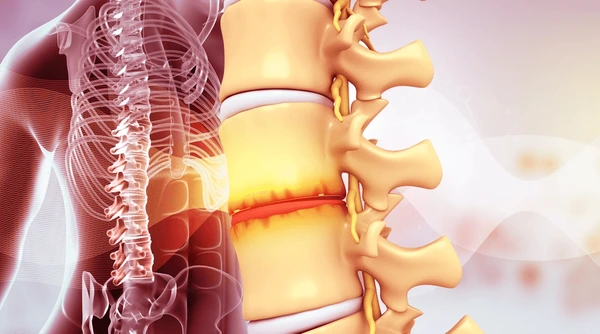
Understanding Herniated Discs: Causes and Treatment Options In the U.S., about 1% to 3% of people experience a symptomatic lumbar disc herniation each year. This is over 33 million people suffering with severe disc injuries each year. Herniated discs are a common issue affecting many individuals, leading to significant pain and discomfort. Understanding the causes, symptoms, and treatment options is essential for anyone experiencing this condition. What is a Herniated Disc? A herniated disc occurs when the inner gel-like core of a spinal disc protrudes through a tear in the outer layer, pressing on nearby nerves. This can result in pain, numbness, or weakness in the arms or legs. Causes – Age-Related Degeneration: As we age, discs lose hydration, making them more prone to injury. – Injury: Acute injuries from falls, heavy lifting, or sports can lead to herniation. – Genetics: A family history of spinal problems or disc issues can increase your risk. Treatment Options Treatment typically starts with conservative approaches, including spinal decompression therapy to decompress and reduce the disc pressure and stabilize the spine. Chiropractic care is a conservative technique used to reposition misaligned joints. However, for persistent pain, advanced options such as the M7 MLS class 4 cold robotic laser may be beneficial. Conclusion It’s essential to consult with a healthcare professional to determine the appropriate treatment for a herniated disc. Understanding the condition can empower you to make informed decisions about your health. Dr. Nicholas LaHood, D.C. Advanced Chiropractic and Wellness Center 858-987-8282